Algeria National Team vs 2026 World Cup: Outlook
Algeria’s national football team is a North African men’s side representing Algeria in FIFA and Confederation of African Football competition, with its 2026 World Cup prospects built around Riyad Mahr...

Algeria National Team vs 2026 World Cup: Outlook
Algeria’s national football team is a North African men’s side representing Algeria in FIFA and Confederation of African Football competition, with its 2026 World Cup prospects built around Riyad Mahrez, emerging midfielder Ibrahim Maza and a deep defensive group. Algeria won the Africa Cup of Nations in 1990 and 2019, reached the 2014 World Cup round of 16, and is preparing for a tournament hosted by Canada, Mexico and the United States. The current squad profile combines experienced internationals such as Aïssa Mandi, Ramy Bensebaini and Nabil Bentaleb with younger options including Rayan Aït-Nouri, Farès Chaïbi and Amine Gouiri. ESPN’s listed squad data records Mahrez with four appearances, two goals and one assist in the displayed competition sample, while Maza produced 11 shots. The practical takeaway is simple: assess Algeria through midfield control, wide progression and defensive continuity rather than reputation alone.
Imagine Algeria walking into a 2026 World Cup stadium with the familiar weight of expectation: a proud football nation, a technically gifted captain and supporters who remember both glorious nights and painful exits. That is the real story behind the Algeria national football team. The badge carries history, but the tournament will be decided by current execution, squad balance and the ability to convert promising possession into goals.
Stadium View approaches Algeria differently from casual preview pages. We track the variables that actually change a match projection: starting-player availability, shot volume, tactical shape, opponent quality and the net position between attacking upside and defensive risk. If you are reading only a headline and choosing a prediction, you are not analysing football; you are guessing with better typography. Believe it or not — I do.

Photo by Aymane Hanni on Pexels
Before 2025: how the Algeria national football team worked
Before 2025, Algeria’s competitive identity rested on technical midfielders, aggressive wide players and a willingness to move the ball quickly through the half-spaces. The team’s most memorable modern achievements include winning the 2019 Africa Cup of Nations in Egypt, while the 2014 FIFA World Cup campaign in Brazil established Algeria as a serious opponent on the global stage. FIFA records and historical summaries, including the Algeria national football team overview on Wikipedia, place that 2014 side among the country’s defining tournament teams.
The model was never merely “attack and hope.” Algeria’s stronger performances came when the midfield could protect possession after losing the ball, allowing players such as Mahrez to receive in dangerous wide areas rather than dropping too deeply to build every move. At the same time, the defensive line often depended on concentration during transitions, particularly when full-backs advanced simultaneously. This created an obvious calculation: the more Algeria committed to width, the more valuable the holding midfielder and centre-back pairing became.
The historical balance between flair and structure
The Algeria national football team has repeatedly shown that individual quality can raise the ceiling, but structure determines the floor. Mahrez’s left-footed delivery, Aouar’s passing range and the mobility of players such as Gouiri offer multiple routes into the final third. However, international tournaments punish loose spacing because opponents have fewer matches to expose weaknesses and more time to prepare specific counter-attacking plans.
Three historical lessons remain relevant:
- Technical quality needs a stable platform. A creative winger cannot carry every possession phase.
- Tournament margins are small. One set-piece concession can erase 70 minutes of control.
- Depth matters more than celebrity. A 26-player squad must survive injuries, suspensions and fatigue.
The blunt conclusion is that Algeria’s past success came from connecting talent to discipline. Supporters often remember the spectacular goal; an investor remembers the turnover before it, the defensive recovery afterward and the net result on the scoreboard. That is how matches should be read.
[Internal Link: Algeria football history and major tournament campaigns]
The 2026 shift
The 2026 shift is not simply the arrival of a new tournament. The FIFA World Cup will expand to 48 teams and take place across Canada, Mexico and the United States, creating a different competitive environment from the 32-team editions Algeria previously experienced. The tournament’s official host information is available through FIFA’s World Cup 2026 coverage, while Los Angeles is scheduled to stage eight matches and a 39-day fan celebration programme according to FIFA World Cup 26 Los Angeles.
For Algeria, the change creates opportunity and danger. More qualifying places and a larger final tournament can improve access for African teams, but advancement still requires efficient group-stage management. More matches also increase the importance of rotation, recovery and tactical flexibility. A squad that looks excellent in a single high-intensity fixture may become exposed when the schedule demands repeated performances across different climates, travel conditions and opponents.
The squad data supplied for the 2026 cycle shows a clear generational bridge. Aïssa Mandi is listed at 34, Bensebaini and Bentaleb at 31, Mahrez at 35, while Maza is listed at 20 and Aït-Nouri at 25. Those ages are not a problem by themselves; they are a portfolio. Senior players offer decision-making and tournament experience, while younger players provide running power and unpredictability. The manager’s task is to make those assets complement rather than compete with each other.
What does the wider 2026 tournament mean for Algeria?
The expanded 2026 World Cup gives Algeria a larger stage and potentially a more forgiving qualification route, but it does not remove the need for tactical consistency. Algeria must still manage travel, match tempo, squad rotation and the pressure attached to Mahrez’s leadership. The best route forward is a controlled attacking model supported by two reliable midfield protectors.
The operational detail many previews miss is the relationship between player roles and match state. Algeria should not use the same attacking risk level at 0–0, 1–0 and 0–1. At 1–0, Mahrez can conserve energy in selected phases while the midfield protects the lead; at 0–1, the team may need an additional runner between the lines rather than another static forward. That distinction matters because tournament football is a sequence of decisions, not one permanent formation.
For supporters and analysts, the useful checklist is:
- Monitor whether Algeria creates chances from open play or depends heavily on dead balls.
- Track the number of progressive actions from Aït-Nouri and the opposing full-back.
- Compare Mahrez’s starting role with his late-game workload.
- Check whether Maza receives meaningful minutes rather than ceremonial substitute appearances.
- Separate possession percentage from actual penalty-area entries.
Want a sharper match-analysis framework before the tournament begins? Review the latest competition-focused work from Stadium View.
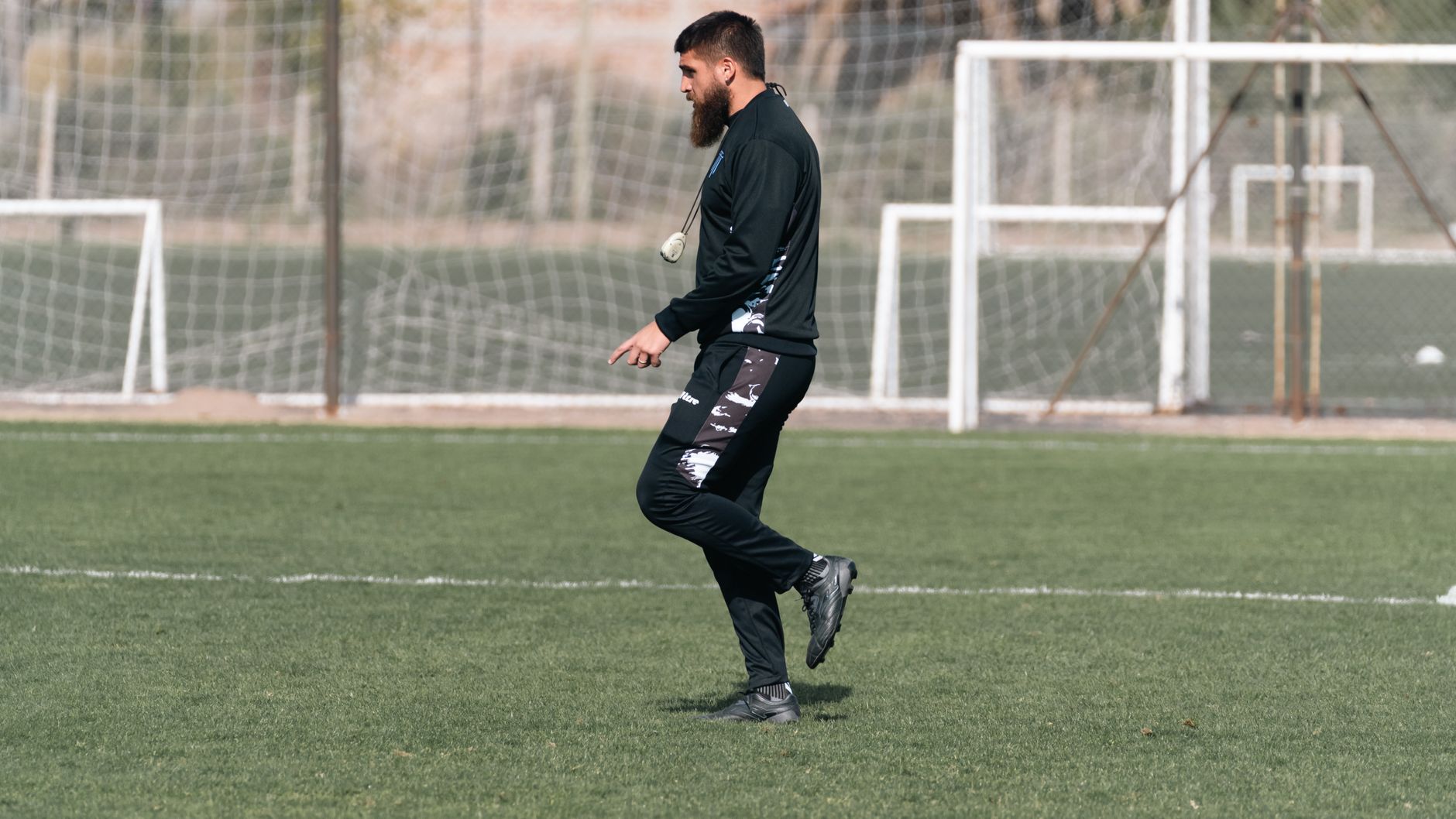
Photo by Franco Monsalvo on Pexels
What changed for players
The biggest change for Algeria’s players is the distribution of responsibility. Mahrez remains the recognisable attacking reference, but the squad cannot depend on one veteran to create, finish and dictate every important phase. ESPN’s displayed Algeria squad lists Mahrez with two goals and one assist in the relevant sample, while Amine Gouiri has one goal and Ibrahim Maza has 11 shots. Those figures do not prove future output, yet they reveal where the attacking burden can begin to diversify.
Rayan Aït-Nouri represents another important development. Listed among the defenders, he offers the type of progressive movement that can alter the geometry of a match from the flank. Farès Chaïbi is listed with nine shots and three shots on target, while Houssem Aouar is credited with two assists in the same displayed data. These numbers suggest an Algeria side with multiple secondary contributors rather than a purely Mahrez-dependent attack.
The less glamorous change concerns defensive workload. Aïssa Mandi’s experience remains valuable, and Bensebaini brings physical presence and left-sided versatility, but age profiles require intelligent management. Younger defenders such as Mohamed Amine Tougai, Zineddine Belaïd and Jaouen Hadjam must be ready for high-pressure minutes. A late tournament injury is not an abstract concern; it changes the probability of clean sheets, substitutions and set-piece assignments immediately.
Which Algeria players deserve the closest attention?
Riyad Mahrez, Ibrahim Maza, Rayan Aït-Nouri, Farès Chaïbi and Amine Gouiri deserve the closest attention because they represent Algeria’s combination of proven quality, progressive movement and future upside. Mahrez supplies experience, while Maza, Aït-Nouri and Chaïbi can increase pace and unpredictability.
My first information-gain observation is this: Maza’s 11 listed shots exceed Chaïbi’s nine in the supplied ESPN sample, even though Maza is only 20. That does not make Maza the finished article, but it is a useful indicator of involvement. A young midfielder taking responsibility for attempts can force opponents to defend higher, opening space for Mahrez and Gouiri. Most casual previews mention his age; fewer connect his shot activity to Algeria’s spacing problem.
My second observation concerns discipline and availability. Aït-Nouri is listed with six fouls committed and four suffered, while Mandi is listed with five fouls suffered and no goals or assists in the displayed sample. These are not glamorous statistics, but they show how physical contests shape Algeria’s wide progression and defensive restarts. If Aït-Nouri is repeatedly targeted, Algeria may need a less adventurous full-back role or an additional midfielder covering the channel.
Photo by Mahmoud Yahyaoui on Pexels
What this means now
Right now, Algeria should be viewed as a credible African contender with a meaningful chance of reaching the knockout stage, but not as an automatic deep-run selection. The team’s ceiling is high because Mahrez, Gouiri, Aouar, Chaïbi, Aït-Nouri and Maza provide technical variety. The floor is lower because defensive continuity, midfield protection and the management of senior players remain decisive.
A rational preview separates three questions that fans regularly blend together:
- Can Algeria qualify for the World Cup? This depends on the qualifying group, current form and availability.
- Can Algeria win its opening match? This depends heavily on opponent style and line-up balance.
- Can Algeria reach the knockout stage? This requires repeatable performances, not one outstanding result.
That separation prevents emotional overvaluation. A team can be a strong qualifier without being a reliable knockout-stage pick. Similarly, a loss against a disciplined opponent does not automatically indicate collapse if Algeria controls shots, territory and transition quality. Stadium View’s approach is to record the performance inputs first and settle the emotional narrative afterward.
The most practical present-day recommendation is to watch Algeria’s central midfield selection. If Bentaleb or Zerrouki can protect the defenders while Aouar or Maza advances, Algeria’s attacking talent becomes more efficient. If the midfield is stretched, Mahrez may receive the ball too far from goal, Gouiri may become isolated and the full-backs may be forced into emergency recovery runs. That is not a theory; it is the net-position problem of Algeria’s entire game model.
For match previews, supporters should also compare starting elevens, rest days and opponent pressing intensity. The same Algeria line-up can look dominant against a passive block and uncomfortable against a fast, physical press. Read those conditions before reacting to a single friendly result.
[Internal Link: 2026 World Cup match predictions and tactical previews]
Three predictions for next quarter
The next quarter should be judged through measurable developments rather than dramatic headlines. Algeria’s results will matter, naturally, but squad integration, role clarity and chance creation provide earlier signals. A strong team can lose a friendly while improving its tournament profile; a weak team can win narrowly while hiding structural problems. You must separate outcome from evidence, or your analysis will remain decorative.
1. Algeria will increasingly share its attacking burden
Mahrez will remain central, but Gouiri, Maza, Chaïbi and Aouar should absorb more creative and shooting responsibility. The supplied figures already point in that direction: Mahrez has two listed goals, Gouiri one, Aouar two assists and Maza 11 shots. If those secondary numbers rise without reducing defensive protection, Algeria becomes harder to contain.
2. The midfield battle will determine Algeria’s ceiling
Algeria’s most important tactical question will not be whether Mahrez can beat his marker. It will be whether the team can recover the ball quickly enough after Mahrez advances. Zerrouki, Bentaleb, Boudaoui and Aouar offer different combinations of screening, circulation and progression. The winning combination should be selected according to opponent pressure, not reputation.
3. Defensive rotation will become unavoidable
Mandi, Bensebaini and the younger centre-back options must share responsibility across the 2026 preparation cycle. Algeria cannot rely on a single veteran pairing for every fixture, particularly with expanded World Cup demands and international travel. A stable defensive structure with controlled rotation is more valuable than repeatedly selecting the most famous names.
My forecast is cautiously positive: Algeria should be competitive in its World Cup group and has a realistic knockout-stage route if the midfield remains compact and the attack avoids becoming Mahrez-dependent. I would not price the team as a guaranteed quarter-finalist, because the defensive and age variables make that position too aggressive. Track the line-up, the shot profile and the transition concessions; those three indicators will reveal whether the optimism is justified.
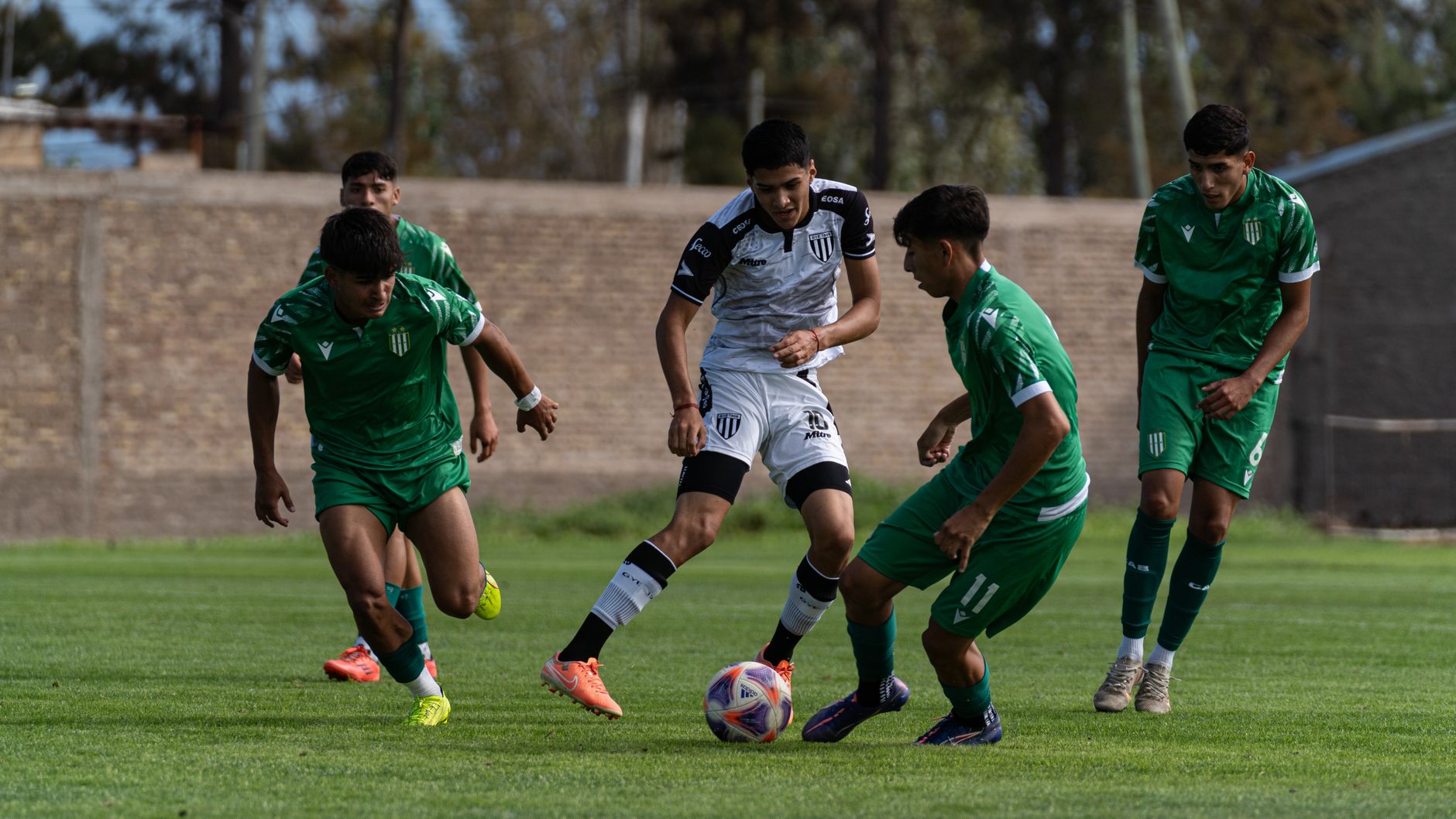
Photo by Franco Monsalvo on Pexels
How should fans evaluate Algeria national football team predictions?
Algeria predictions should be evaluated through opponent strength, expected line-up, shot quality, midfield security and recent competitive evidence rather than badge reputation. A prediction becomes more reliable when it explains both Algeria’s route to victory and the opponent’s route to disrupting the match.
A disciplined process looks like this:
- Confirm whether Mahrez, Gouiri, Aït-Nouri and the main midfielders are available.
- Identify whether the opponent presses high or defends in a low block.
- Review Algeria’s recent shot creation and shots allowed.
- Examine set-piece threats at both ends.
- Adjust for travel, venue, weather and tournament pressure.
- Compare the projected result with the available market price, where legal and appropriate.
The final step is where many readers become careless. A likely winner is not always a valuable selection, because the price may already reflect the public’s enthusiasm. Stadium View is built for fans who want match predictions, team tactics, player statistics and tournament coverage in one place. Treat every forecast as a probability estimate, never as a guarantee, and never risk money you cannot afford to lose.
See the full analytical approach and current tournament coverage before making your own assessment.
Frequently Asked Questions
Q: What is the Algeria national football team?
A: The Algeria national football team is the men’s representative side of Algeria in FIFA and CAF competitions. It is governed by the Algerian Football Federation and has won the Africa Cup of Nations in 1990 and 2019. Algeria also reached the 2014 FIFA World Cup round of 16, its strongest World Cup performance to date.
Q: Who is Algeria’s most important player in 2026?
A: Riyad Mahrez remains Algeria’s most important established attacking player in 2026. The winger contributes left-footed delivery, ball progression, set-piece quality and tournament experience, and the displayed squad data credits him with two goals and one assist in the relevant sample. His influence will be greatest when midfielders create enough central threat to prevent opponents from doubling him constantly.
Q: How can Algeria reach the knockout stage at the 2026 World Cup?
A: Algeria can reach the knockout stage by protecting central midfield, converting wide attacks into high-quality chances and limiting transition goals. Mahrez, Aït-Nouri and Gouiri must receive support from players such as Maza, Chaïbi and Aouar. The team should also manage senior players carefully because the 2026 tournament’s 48-team format still requires consistent performances across multiple matches.
Q: What is the difference between Algeria’s 2014 team and its 2026 squad?
A: Algeria’s 2014 team is remembered for its collective tournament intensity, while the 2026 squad combines experienced leaders with a newer generation of players. Mahrez and Mandi provide senior authority in the current group, whereas Maza, Aït-Nouri and younger defensive options represent future progression. Comparing eras directly is less useful than measuring structure, chance creation and defensive reliability.
Q: Is Algeria a good team to follow for World Cup predictions?
A: Algeria is a compelling team to follow because its technical quality creates genuine upside, but its predictions require careful opponent-specific analysis. Mahrez can change a match, yet midfield spacing and defensive transitions determine whether Algeria controls the result. Review confirmed line-ups, recent shot data, injuries and market prices before forming an opinion.
Q: What should fans do if Algeria’s predicted starting lineup changes?
A: Fans should reassess the prediction immediately when a central midfielder, goalkeeper or primary forward is removed from the starting lineup. A missing winger may reduce one-versus-one threat, while a missing holding midfielder can change the team’s entire defensive balance. Compare the replacement’s role, recent minutes and tactical responsibilities instead of treating every substitution as equally important.
Q: Does Stadium View guarantee Algeria match-prediction results?
A: No, Stadium View does not guarantee match-prediction results because football outcomes contain uncertainty and variance. Stadium View provides FIFA World Cup-focused analysis covering tactics, player statistics, predictions and tournament developments, while readers remain responsible for their own decisions. If you choose to wager where legal, use a regulated provider, set a fixed budget and never chase losses.
Algeria’s 2026 outlook is therefore clear enough for serious analysis: the national team has the talent to compete, the history to command respect and the squad depth to improve, but its final level will be decided by midfield protection and defensive continuity. Mahrez can illuminate a stadium, yet a tournament is won through repeated, efficient decisions across every line. Follow the evidence, update your view when the team sheet changes and keep your net position—footballing or financial—under control. Believe it or not — I do.
Start following Algeria’s 2026 World Cup development with Stadium View’s latest match intelligence.
Thank you for reading.
Stadium View · Editorial Archive